
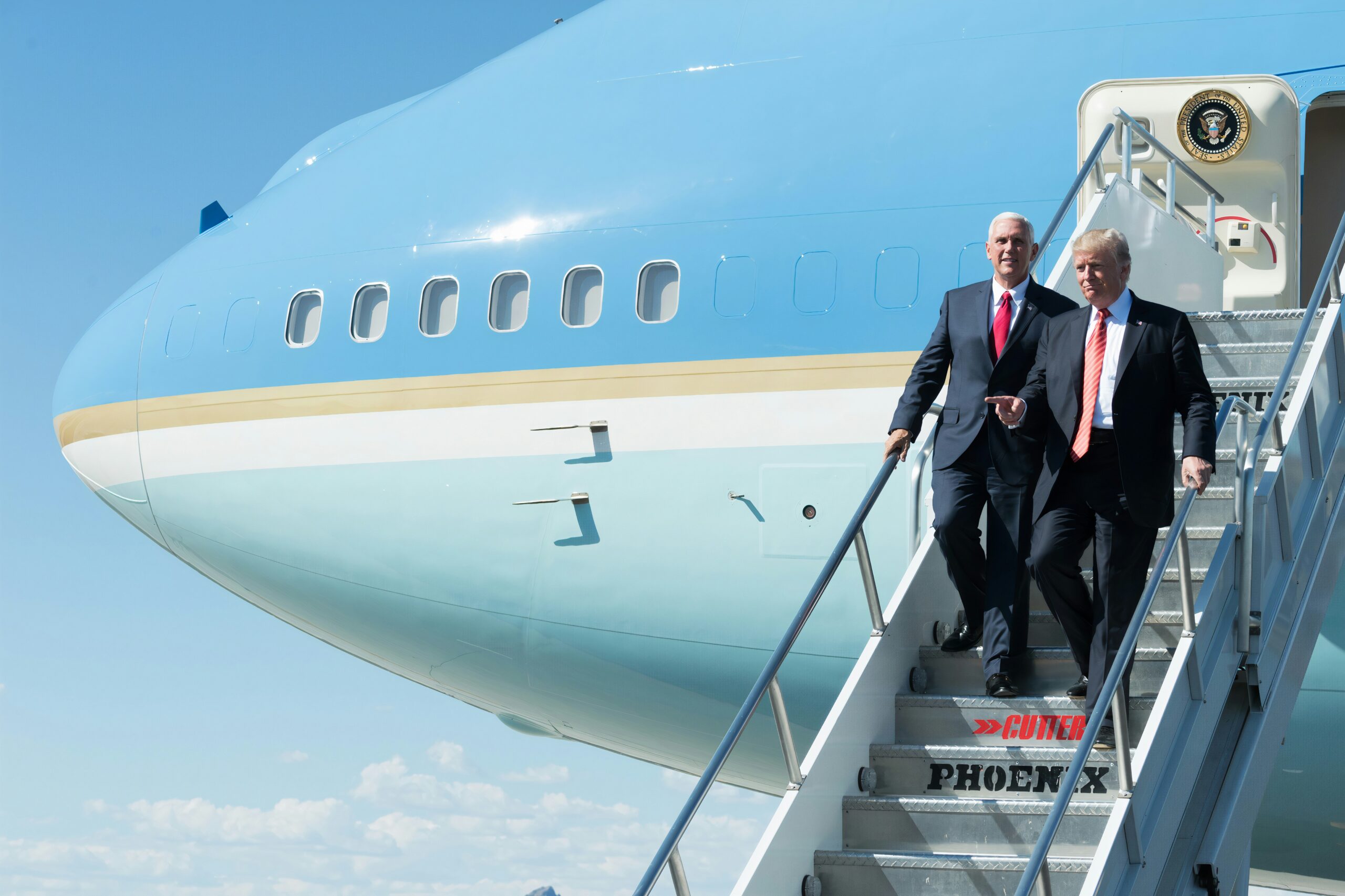
The Quiet Chessboard: How the US and China Are Redrawing the World
You ever walk into a room where two people are clearly in charge, and everyone else is just trying not to pick a side? That’s the planet right now.
On one corner, the United States — aircraft carriers, Hollywood, the familiar superpower. On the other, China — ports, fiber-optic cables, and a fast-rising challenge.
This isn’t your grandfather’s Cold War. No walls, no missile counts. The new rivalry plays out in loans to African nations, trade deals with Pacific islands, and 5G towers in Southeast Asian villages.
And the result? Entire regions are being redrawn — not with armies, but with contracts and courtesies.
The real story isn’t about Washington or Beijing. It’s about the countries caught in between — Vietnam, Kenya, Brazil. They’re the ones quietly reshaping your future. You just haven’t noticed yet.
- The Return of the Great Game: Defining 21st-Century Spheres of Influence
Remember those old maps where empires colored entire continents? We’re not quite there anymore. But something similar is happening — a regional realignment that forces smaller nations into a binary choice between Washington and Beijing.
For decades, the US held most of those cards. Now, China (Beijing) is quietly asking for a seat at every table. And ASEAN — the ten-nation bloc in the middle — keeps repeating one phrase like a mantra: ASEAN centrality. It sounds nice. But can it survive when giants demand loyalty?
Seriously. That question keeps diplomats up at night.
- The “Donroe Doctrine”: Redefining American Interests
You might be wondering — what’s a Donroe Doctrine? It’s a joke an old friend in foreign policy once made. He said America’s real approach isn’t the Monroe Doctrine anymore. It’s the “Don’t Row” Doctrine. As in, don’t row too hard in any direction.
Under Trump 2.0 (a term you’ll hear more of), Washington has leaned into being an offshore balancer — present but not permanently planted. That shift raises a tough question: can the US still claim normative leadership while pulling back from global policing?
Here’s where it gets interesting. The United States (Washington/Uncle Sam) still projects power. But the hesitation creates vacuums. And vacuums get filled.
- China’s New Trade Empire: Reshaping South American and African Geopolitics
Let’s take a trip. Fly to Peru. You’ll see a shiny new Chinese-built port. Drive through rural Kenya. Chinese roads, railways, even airports.
Beijing isn’t doing this out of kindness. Obviously. Its economic influence grows through infrastructure and loans — not punitive tariffs or loud threats. Meanwhile, Washington has leaned into transactional diplomacy: “You support us on Taiwan, we’ll give you a trade deal.”
But China offers a different pitch: a global free trade agenda that doesn’t ask about your human rights record. And for many developing nations, that’s a tempting door to walk through.
- The South Pacific: The New Frontline of Great Power Rivalry
Have you ever heard of the Solomon Islands? Probably not. But last year, they signed a security deal with China. The US nearly choked on its coffee.
Why does a tiny island nation matter? Because of the South China Sea dispute and maritime assertiveness. Those islands control shipping lanes. And in a crisis, those lanes become the difference between supply and starvation.
The US has long styled itself as the provider of regional security. But when a country like the Philippines or Vietnam sees China building artificial islands, they start questioning the reliability of commitments from distant allies. That’s a dangerous crack in the old order.
- The Karakoram Conundrum: India’s Strategic Pivot
Now, let’s talk about India. A journalist friend who covers Delhi’s foreign ministry once laughed and said, “India buys Russian oil, iPhones from China, and fighter jets from France. And everyone still wants to be its best friend.”
That’s called hedging strategy. India wants to be a strategic partner to the US without fully breaking from Beijing. But the Karakoram mountain range — where Indian and Chinese troops have clashed with sticks and rocks — makes that balancing act incredibly hard.
So New Delhi leans West. Joint naval exercises. Intelligence sharing. But it refuses to become anyone’s puppet. And that, honestly, is the smartest move in the room.
- A U.S.-China Spheres-of-Influence Arrangement: Is Peace Possible?
Could the two giants just agree? You take Latin America, I take Southeast Asia, shake hands, and move on?
In theory, yes. In practice? Unlikely — because any such deal would violate international law and the rules-based order that smaller nations depend on. Let me show you why.
The State of Southeast Asia 2026 Survey — a major index of elite perceptions — found that confidence levels in the US as a security guarantor have dropped. At the same time, forced-choice realignment scenarios show that if push came to shove, most ASEAN countries would still lean toward Washington. Barely.
That’s not a ringing endorsement. It’s a nervous sweat.
- The Arctic ‘Great Game’: Greenland and the Melting Frontiers
Here’s something you don’t hear every day: the Arctic is becoming a geopolitical concern. Ice melting means new shipping routes. New routes mean new trade. New trade means new power.
China calls itself a “near-Arctic state” — which is a bit like me calling myself a near-millionaire because I live down the street from a bank. But they’re investing in Greenland’s rare earth minerals. The US just opened a consulate there after decades away.
Why should you care? Because whoever controls Arctic shipping lanes can choke supply chain resilience for the entire planet. And right now, both giants are quietly buying real estate — including in Singapore and Indonesia, which are watching the Arctic’s melt with strategic calculators out.
- South Asia’s Foreign Policy Headache: The Case of Bangladesh and Pakistan
Imagine being Bangladesh. You need investment for your booming garment industry. China offers loans. The US offers trade deals. Both come with strings attached.
Pakistan is even trickier. Historically a close US ally, now it’s the crown jewel of China’s Belt and Road. So where does foreign policy autonomy fit in? For many nations — Cambodia, Laos, Timor-Leste — the answer is pragmatic: take money from both, offend neither.
But multilateralism vs. bilateralism is the real debate. The US prefers one-on-one deals it can control. China prefers regional frameworks where it has more votes. And smaller countries? They just want to survive.
- The Digital Iron Curtain: Technological Spheres of Influence
Remember the Iron Curtain? Walls, barbed wire, divided families. Today’s version is invisible. It runs through fiber-optic cables and server farms.
AUKUS and the Quad (contextual, not formal) are America’s tech-security clubs. China has its own. The result is a digital iron curtain where your phone’s operating system might one day decide which news you see, based on which superpower your government leans toward.
That’s not science fiction. That’s next Tuesday. And it’s why supply chain resilience isn’t a buzzword — it’s a survival strategy.
- Can Europe Compete in Africa’s New Great Game?
Europe looks at Africa and sees its backyard. Former colonies. French companies mining uranium in Niger.
But China has overtaken the EU as Africa’s largest trading partner. And European leaders are waking up late, rubbing their eyes, and asking, “Wait, what happened?”
The honest answer? Europe talks a lot about values — human rights, environmental standards. China talks about roads and bridges. Guess which one wins more contracts? That’s not to say Europe can’t offer economic reassurance. But reassurance doesn’t build ports.
- The Role of Russia and Iran in the Eurasian Heartland
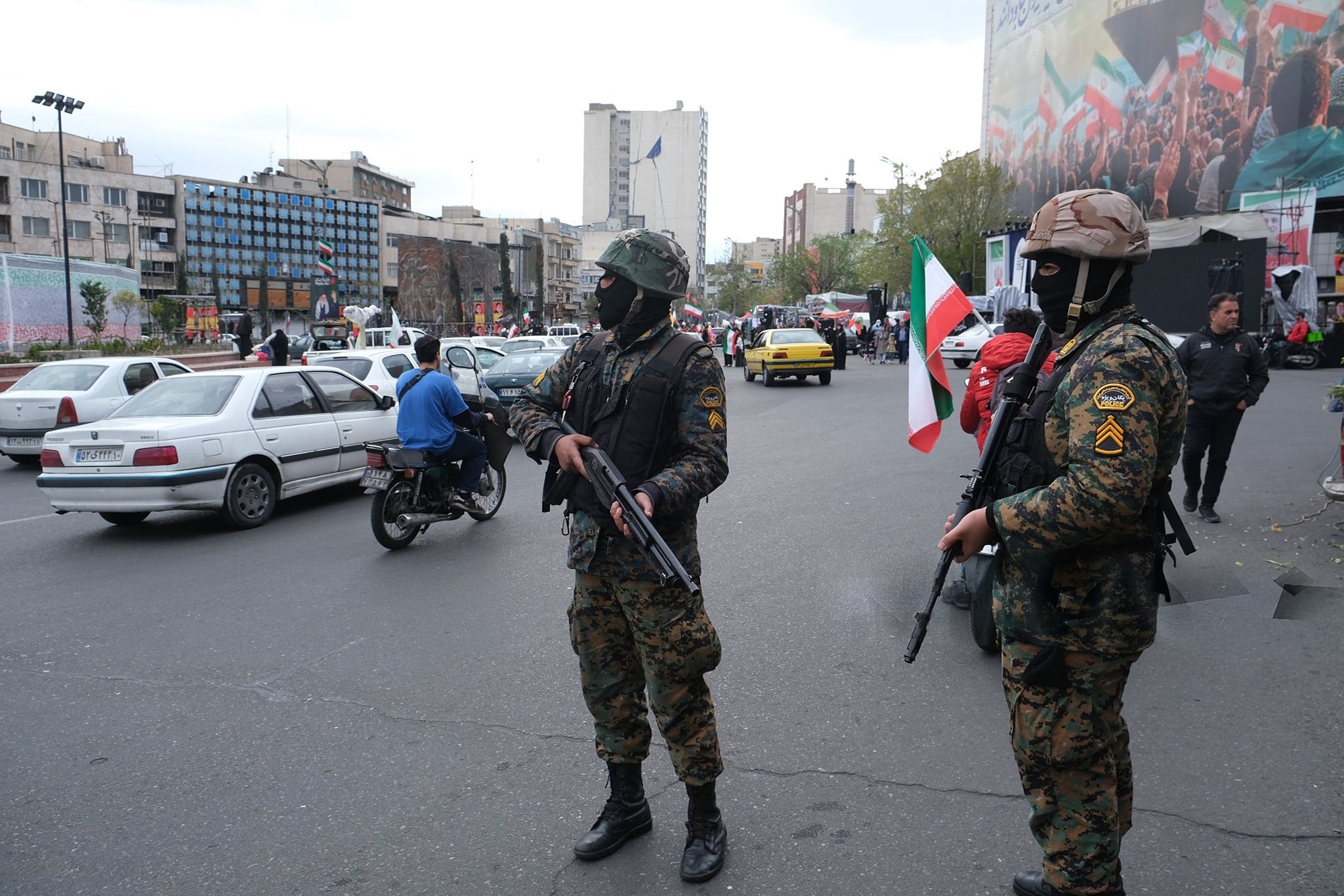
You can’t tell this story without mentioning the other two players. Russia and Iran. They’re not as big as the US or China. But they act as a strategic counterweihgt — spoilers who benefit when the two giants are distracted.
Russia sells weapons to India and China. Iran gives China discounted oil. Together, they form a loose “axis of the annoyed” — countries that resent American dominance and don’t fully trust Beijing either.
But here’s the catch. They don’t always agree. Russia wants influence in Central Asia. China wants resources there. Those two goals can clash. So the “Eurasian alliance” you read about in headlines? It’s more of a convenience store marriage than a fairy-tale romance.
- Conclusion: The Viability of Boundaries in a Borderless World
So, back to the big question: can the US and China draw clear boundaries and call it a day?
Probably not. And here’s why.
The world isn’t a board game with fixed territories anymore. A Chinese app influences American teenagers. A US Navy ship sails past a Chinese-built port in Sri Lanka. A German car uses chips designed in Taiwan and assembled in Mexico — and every single one of those links is a potential flashpoint.
But that doesn’t mean we’re doomed. What it means is that influence today isn’t about walls or lines on a map. It’s about who offers a better story — and better infrastructure, better phones, better jobs.
The US still tells a compelling story about freedom and innovation. China tells one about stability and speed. Neither is fully right or wrong.
And maybe, just maybe, the countries caught in between — especially Southeast Asia, with its elite perceptions and confidence levels wobbling — will force them to cooperate. Not out of kindness. Out of exhaustion.
Honestly? That’s not a bad ending. A tired peace is still a peace.
Why is there geopolitical tension between the US and China?
Competition over global influence, trade, technology, and differing political systems — plus disputes over Taiwan and the South China Sea.
What is not polite in China?
Sticking chopsticks upright in a rice bowl (reminds people of funeral incense), and criticizing someone's family or saving face publicly.
Why is China so advanced compared to the USA?
China isn't uniformly more advanced, but it leads in areas like high-speed rail, mobile payments, and 5G deployment due to massive state-backed infrastructure investment.
Does China or the USA have a better economy?
The US has a larger total GDP and higher income per person, while China has grown faster and leads in manufacturing and purchasing power parity (PPP).
Why is Justin Bieber not allowed in China?
What does 666 mean in Chinese slang?









Leave a Reply