
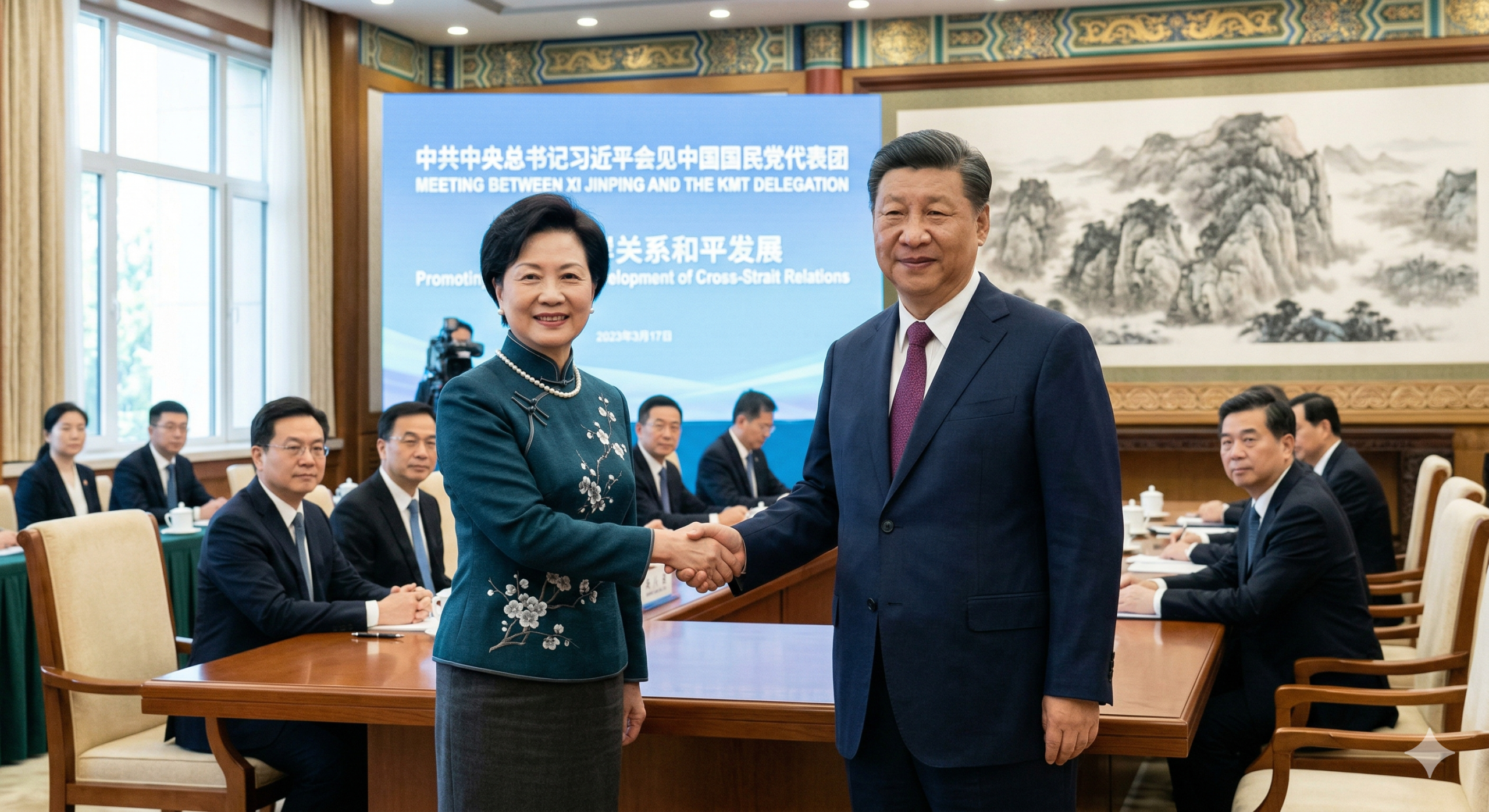
In a landmark meeting in Beijing on April 10, 2026, President Xi Jinping told KMT Chairwoman Cheng Li-wun that reunification is a historical inevitability..
Xi Jinping Meets KMT Leader Cheng Li-wun: A New Push for Reunification
The geopolitical landscape of East Asia shifted significantly this week as Chinese President Xi Jinping hosted a high-level delegation from Taiwan’s main opposition party, the Kuomintang (KMT). This meeting, held in Beijing on April 10, 2026, represents a rare moment of direct dialogue amidst years of escalating military friction and a deepening “Status Quo” divide.
1. The Core Update: Xi-Cheng Meeting in Beijing
For the first time in a decade, a KMT Chairwoman, Cheng Li-wun, traveled to mainland China for a week-long tour culminating in a summit with President Xi.
- The Message from Beijing: Xi Jinping expressed “full confidence” that the people of China and Taiwan would eventually be “united,” calling it an “inevitable part of history.” His tone favored economic and cultural integration over immediate military rhetoric, though he maintained that reunification remains a non-negotiable goal.
- The Message from the KMT: Chairwoman Cheng emphasized that the Taiwan Strait is “not destined for war.” She advocated for a “systemic solution” to prevent conflict, positioning the KMT as the party of stability compared to the ruling Democratic Progressive Party (DPP).
- The Domestic Reaction: Back in Taipei, President Lai Ching-te and the DPP government remained skeptical, noting that while Beijing talks peace, the People’s Liberation Army (PLA) continues to deploy warships and aircraft across the median line.
2. The US-Japan Perspective: A United Front
While Beijing and the KMT engaged in dialogue, the security alliance between the United States and Japan has reached a new level of integration.
The Trump-Takaichi Summit
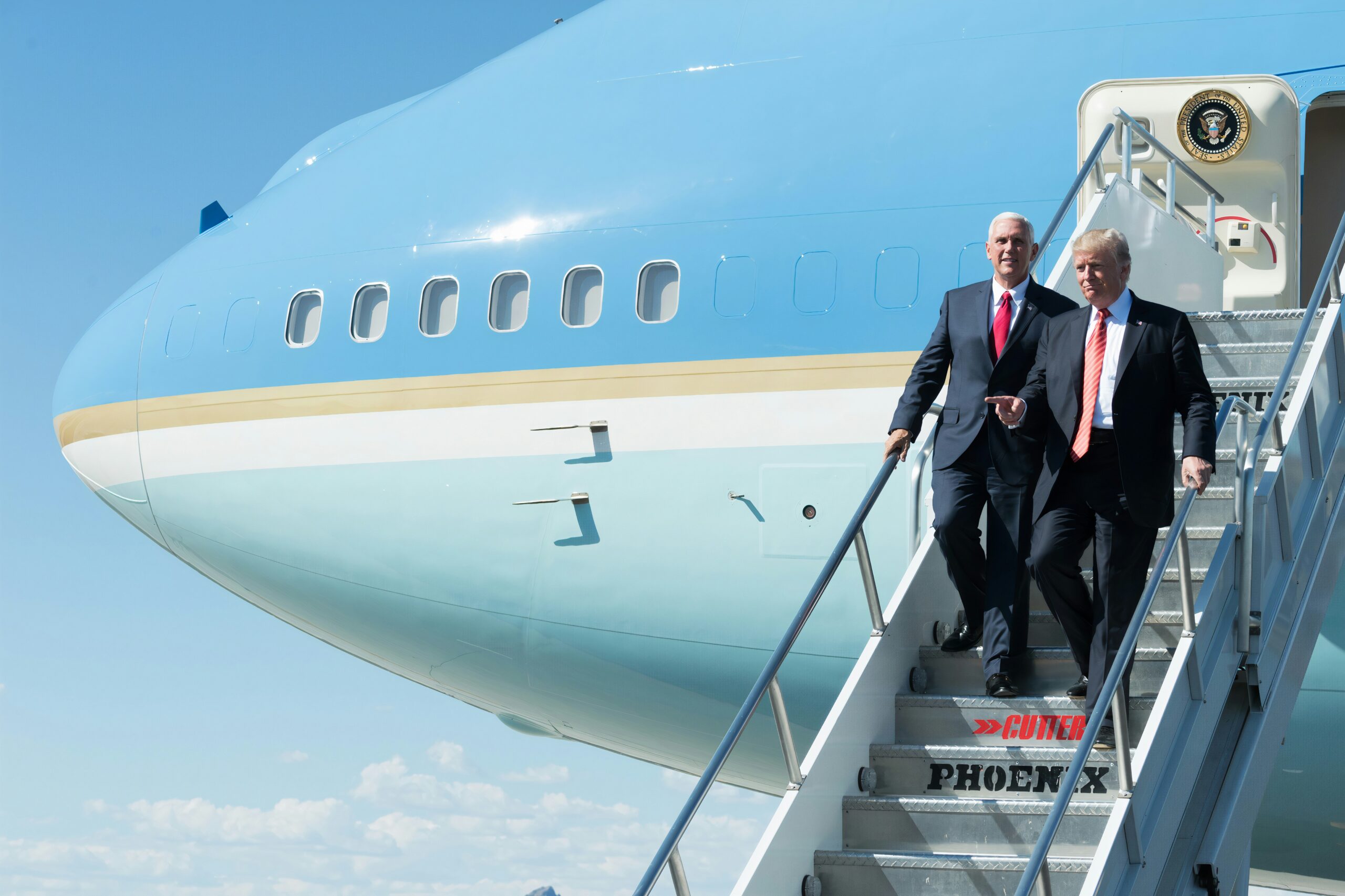
In a recent meeting at the White House, U.S. President Donald Trump and Japanese Prime Minister Sanae Takaichi reaffirmed their ironclad commitment to maintaining peace in the Taiwan Strait.
- Opposition to Coercion: Both leaders issued a joint statement explicitly opposing any “unilateral change to the status quo by force.”
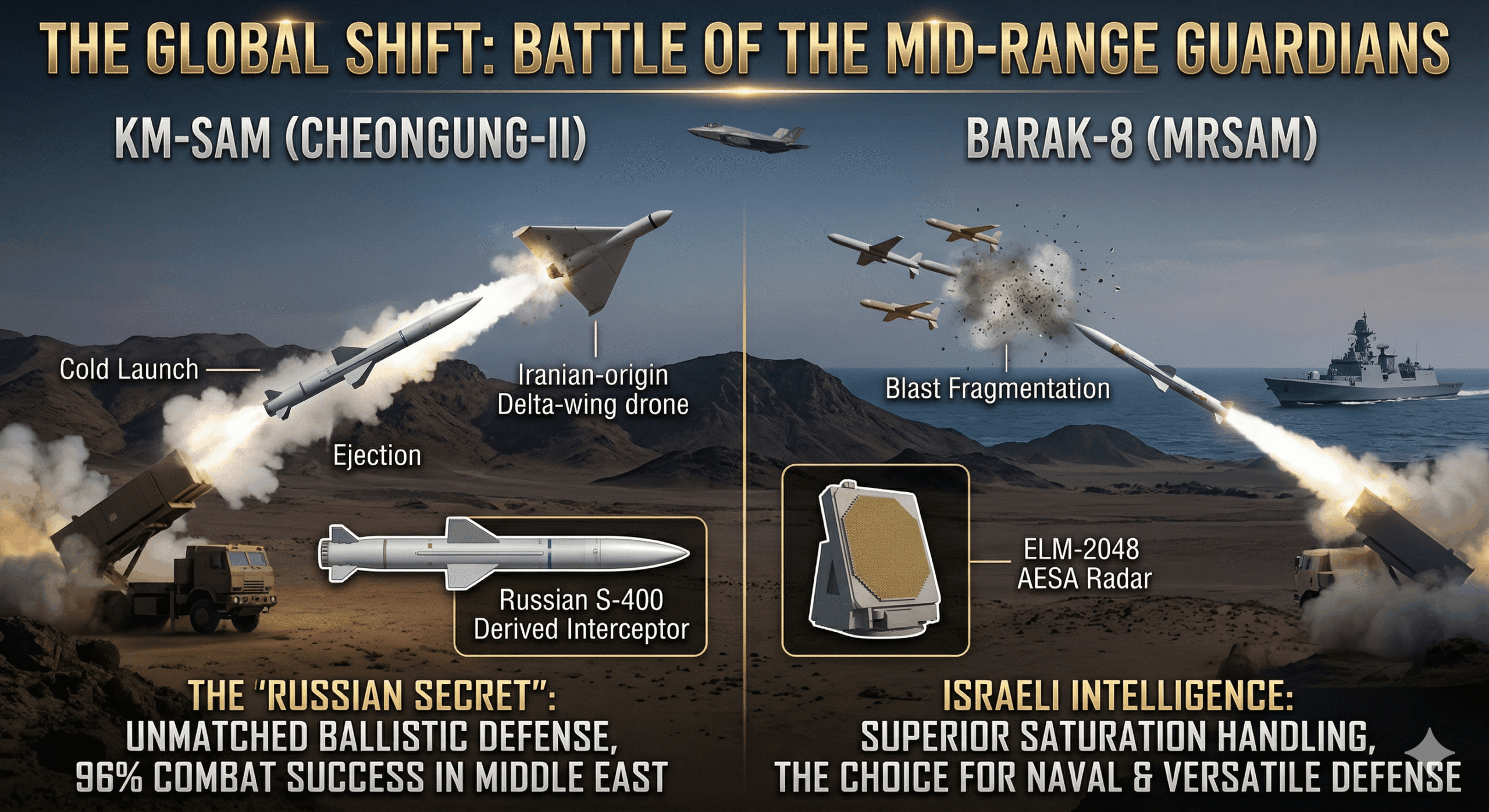
- Military Deterrence: To back their diplomatic stance, the two nations agreed to quadruple the production of SM-3 Block IIA interceptor missiles. This joint weapons program is designed to counter the growing threat of medium-range missile systems in the region.
- The “Middle East” Concern: Prime Minister Takaichi reportedly expressed concern over the “severe security environment” in the Indo-Pacific, particularly as U.S. attention and military assets remain divided by ongoing conflicts in the Middle East.
3. Emerging Military Realities
Despite the diplomatic overtures, the ground reality remains highly militarized.
- Drone Swarm Technology: Recent reports indicate the PLA is testing “Atlas” drone swarm systems, capable of deploying dozens of AI-coordinated drones from a single vehicle. This technology is specifically designed to overwhelm Taiwan’s air defense networks.
- Reserved Airspace: China recently declared “reserved” airspace off its eastern coast through early May 2026. Security analysts believe this is a “stress test” to monitor U.S. and Japanese aerial response times ahead of the high-stakes meeting between President Trump and Xi Jinping scheduled for late May.
4. Strategic Implications for the Region
The current situation creates a dual-track dynamic:
- Political Track: Beijing is attempting to bypass the current Taiwanese government by building ties with opposition parties (KMT and TPP) to influence the 2028 elections.
- Security Track: The U.S. and Japan are shifting from “strategic ambiguity” toward “collective deterrence,” focusing on advanced missile defense and semiconductor supply chain resilience.
Key Takeaway: The April 2026 meeting highlights a “peace offensive” by Beijing aimed at the Taiwanese public, even as the U.S.-Japan alliance reinforces its military perimeter to ensure that “peace” is not maintained through force.
1992 Consensus, Deterrence through dialogue, Taiwan Strait status quo, Trump-Xi summit May 2026 (Great for “What’s next” sections), Japanese Diplomatic Bluebook 2026











Leave a Reply