
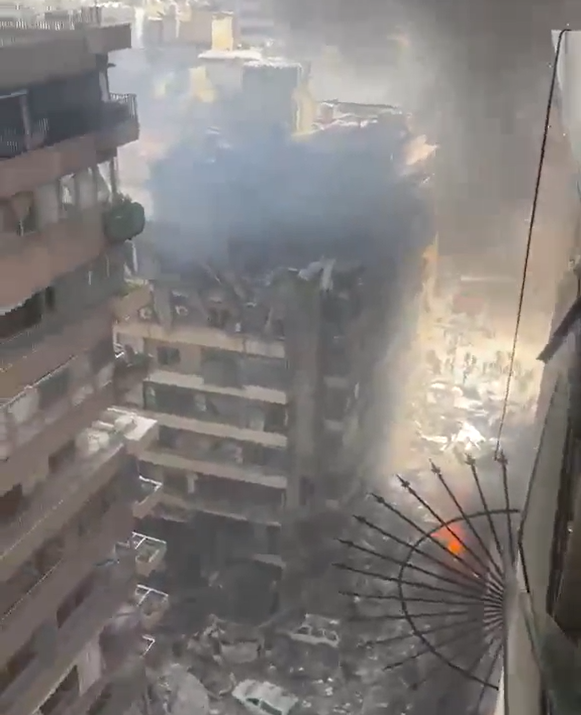
BEIRUT — April 9, 2026
The Middle East is teetering on the edge of a broader regional conflict following a series of devastating Israeli airstrikes across Lebanon on April 8, 2024. The offensive, dubbed “Operation Eternal Darkness” by the Israel Defense Forces (IDF), has resulted in a staggering death toll and cast a shadow of doubt over a newly brokered ceasefire between the United States and Iran.
A Rapid and Deadly Offensive
In what has been described as the most intensive bombardment of Lebanon in recent years, the IDF launched more than 100 airstrikes within a ten-minute window. The strikes targeted diverse locations, including:
-
Central Beirut: Densely populated residential and commercial neighborhoods like Mazraa and Ain Mreisseh were hit without prior warning.
-
Southern Lebanon: The port city of Sidon and the city of Tyre experienced heavy shelling.
-
The Bekaa Valley: Strategic locations in eastern Lebanon were also caught in the barrage.
According to the Lebanese Ministry of Health and the Lebanese Red Cross, the death toll has reached at least 254 people, with over 1,100 others injured. First responders continue to dig through the rubble of collapsed apartment buildings, fearing the casualty count may rise as more bodies are recovered.
The Ceasefire Contradiction
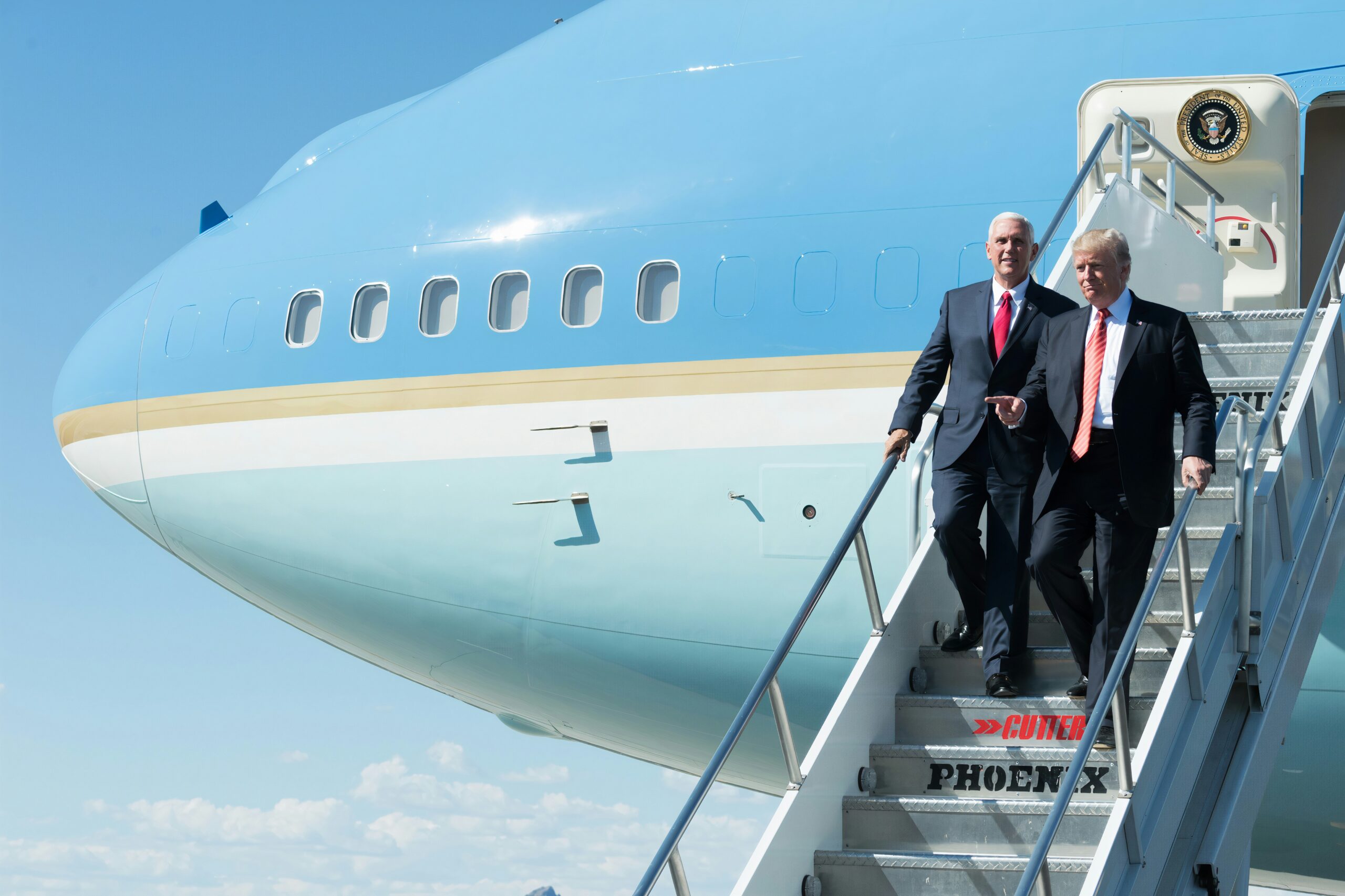
The timing of the strikes has sparked significant diplomatic controversy. The offensive began just hours after U.S. President Donald Trump and Iranian officials announced a two-week temporary ceasefire intended to de-escalate the broader “Iran War.”
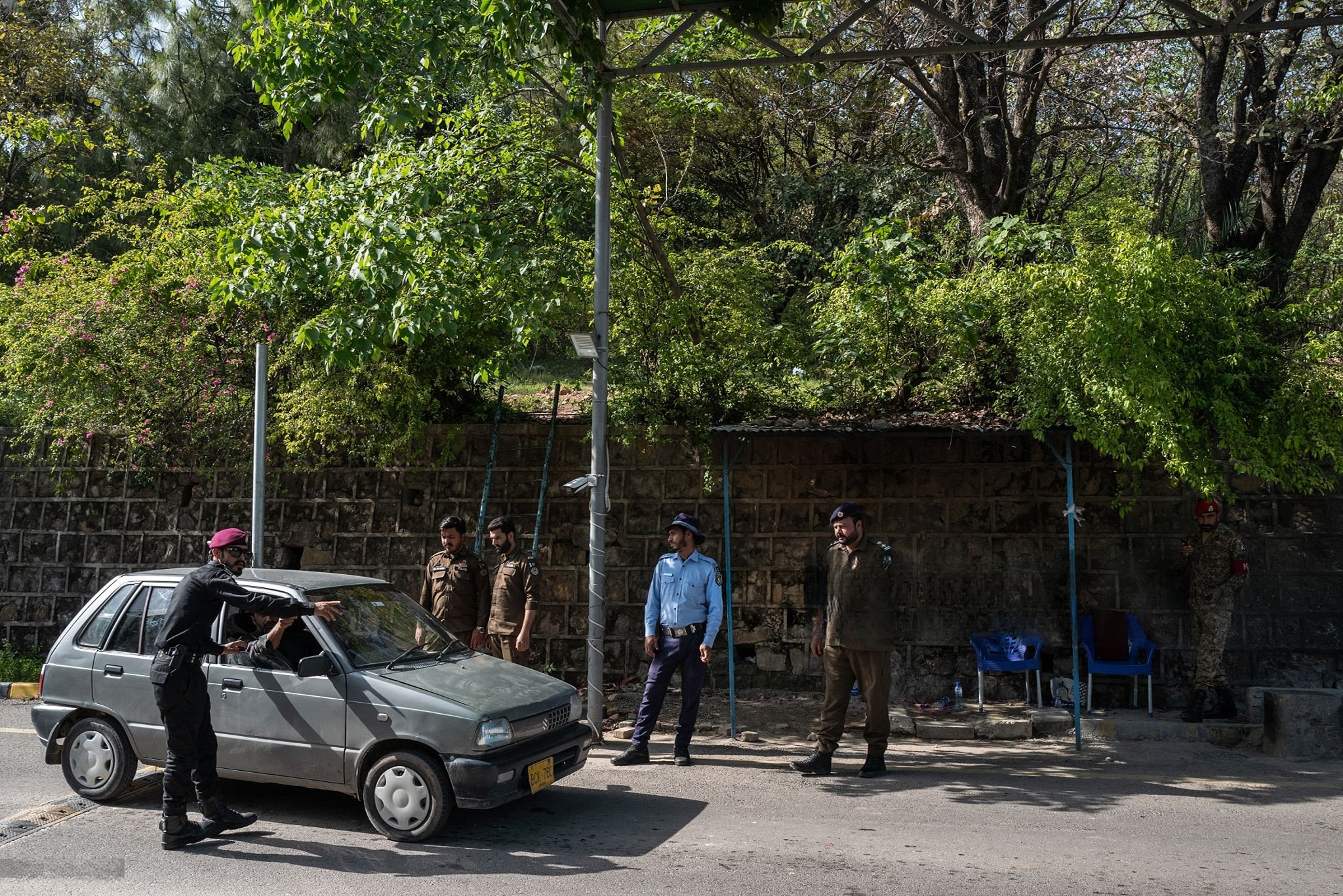
While mediators from Pakistan, France, and Egypt asserted that the truce included Lebanese territory, Israeli Prime Minister Benjamin Netanyahu quickly clarified Israel’s position. He stated that the agreement with Iran does not apply to operations against Hezbollah, citing a need to “remove threats” from Israel’s northern border and establish a security buffer up to the Litani River.
Military Objectives vs. Humanitarian Impact
The IDF maintains that the strikes were surgical and targeted “terror targets” and command centers belonging to Hezbollah. Military officials confirmed the assassination of Ali Yusuf Harshi, a personal secretary and nephew of Hezbollah leader Naim Qassem, during the Beirut raids.
However, international observers and humanitarian organizations have raised alarms over the scale of civilian harm.
“The situation in Beirut is total chaos,” said Dr. Tania Baban of MedGlobal. “These attacks occurred in residential areas with no warning, resulting in carnage that defies belief.”
International Reactions
The global community has responded with a mix of condemnation and calls for restraint:
-
The United Nations: Secretary-General António Guterres unequivocally condemned the loss of civilian life, stating that the military activity poses a “grave risk” to regional peace efforts.
-
China: A foreign ministry spokesperson emphasized that Lebanon’s sovereignty “should not be violated” and called for an immediate cooling of the situation.
-
United Kingdom: Foreign Secretary Yvette Cooper described the escalation as “deeply damaging” and urged for the ceasefire to be extended to include Lebanon.
What’s Next?
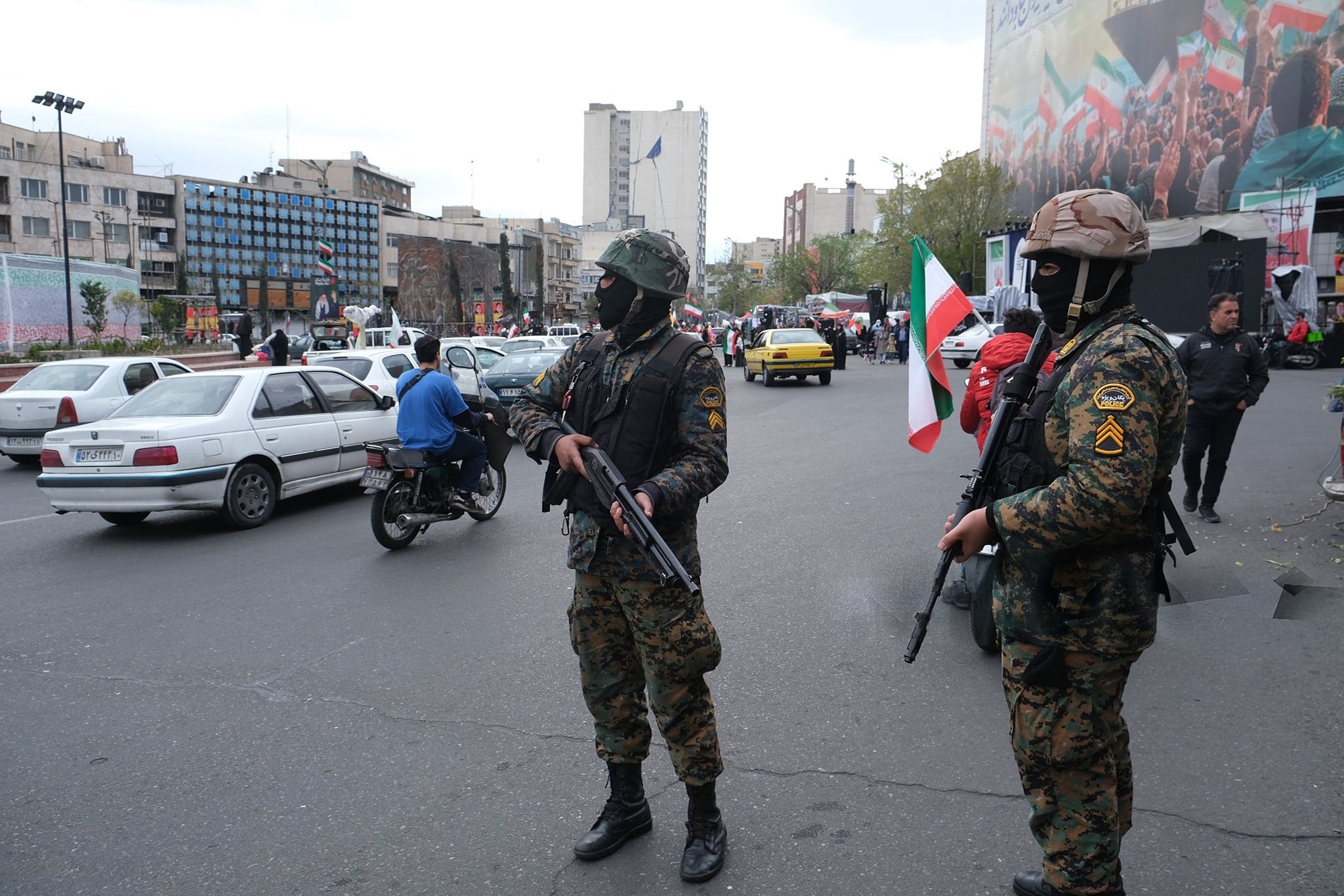
As of April 9, the fragility of the regional truce is evident. Tehran has warned that it may withdraw from the ceasefire and take retaliatory measures if the bombings do not cease. Meanwhile, hospitals in Beirut remain overwhelmed, issuing urgent pleas for blood donations as the Lebanese capital once again finds itself the epicenter of a growing storm.








Leave a Reply