
US-Iran War 2026 – Latest Updates, Global Impact & What It Means for India
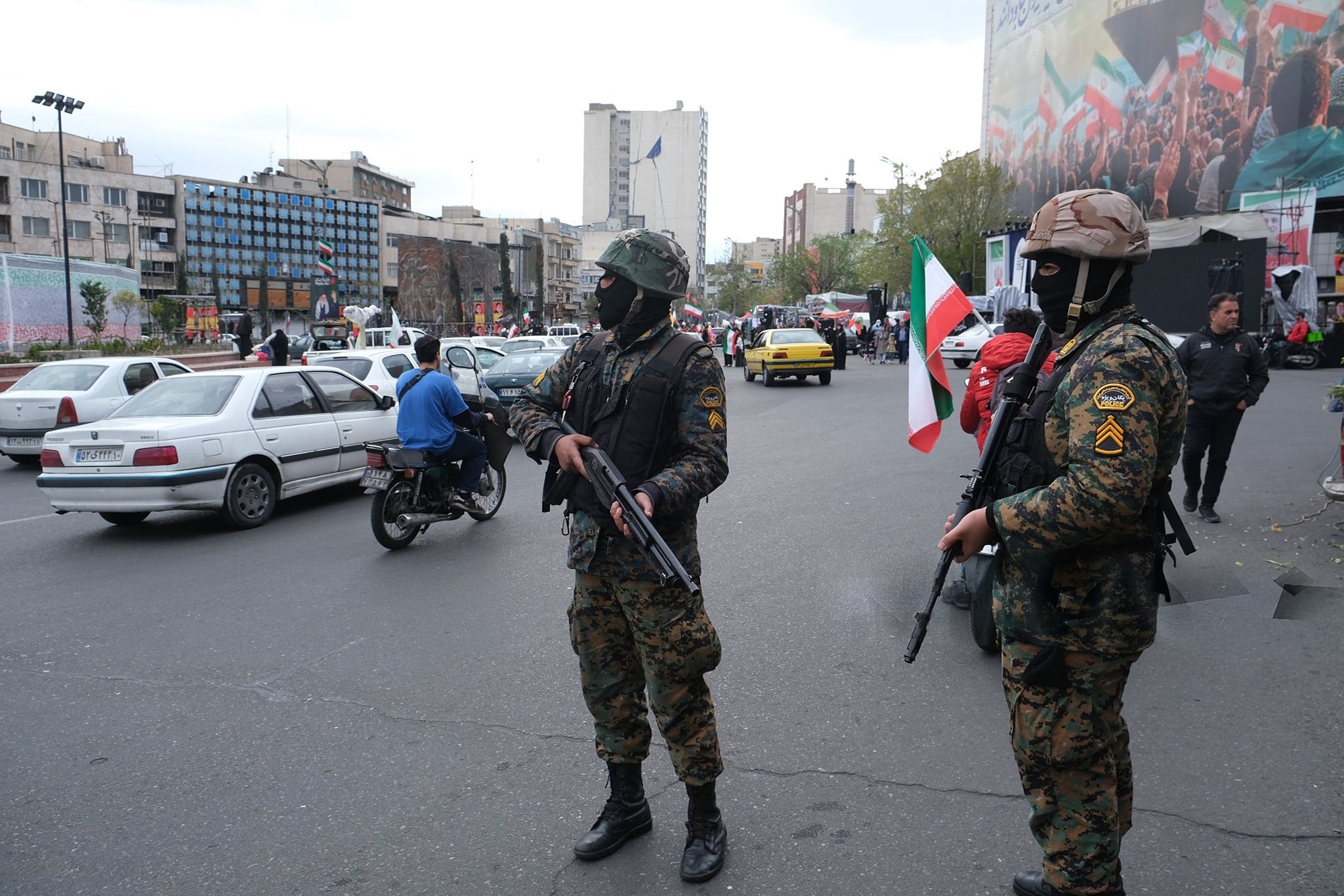
The US-Iran War 2026 has rapidly evolved into one of the most significant geopolitical crises of the decade, reshaping global power dynamics, disrupting energy markets, and raising serious concerns for economies worldwide. What initially began as a regional military escalation in the Middle East has now expanded into a broader strategic confrontation, with ripple effects being felt across continents—from oil-dependent economies in Asia to financial markets in Europe and North America.
Recent developments indicate a fragile situation on the ground. While high-level diplomatic talks and temporary ceasefire efforts are underway, tensions remain elevated due to unresolved issues such as control over key maritime routes like the Strait of Hormuz, ongoing proxy conflicts, and competing global interests. The uncertainty surrounding the conflict has not only intensified geopolitical rivalries but has also triggered volatility in crude oil prices, global trade flows, and investor sentiment.
From an economic perspective, the conflict has already begun to exert pressure on global growth. International institutions have warned of rising inflation and slowing economic activity, largely driven by disruptions in energy supply chains and increased risk aversion in financial markets. For a highly interconnected world economy, the consequences of this war extend far beyond the battlefield.
For India, the stakes are particularly high. As one of the world’s largest importers of crude oil, any disruption in the Middle East directly impacts inflation, fiscal stability, and overall economic growth. The Reserve Bank of India (RBI) has already flagged multiple risks arising from the conflict, including rising oil prices, supply chain disruptions, financial market volatility, and weakening global demand. Despite strong foreign exchange reserves acting as a buffer, India remains vulnerable to prolonged geopolitical instability.
In this article, we will explore the latest updates on the US-Iran War 2026, analyze its global economic and geopolitical impact, and most importantly, understand what it means for India’s economy, security, and strategic positioning in an increasingly uncertain world.
Background: How the Conflict Escalated
The origins of the current conflict can be traced back to decades of hostility between the United States and Iran, rooted in ideological differences, regional competition, and disputes over nuclear capabilities. Over time, these tensions have manifested through sanctions, proxy conflicts, cyber warfare, and periodic military confrontations. However, the situation escalated dramatically in early 2026 when a series of coordinated military actions pushed both nations into direct confrontation.
The United States, citing intelligence regarding Iran’s advancing nuclear program and regional military expansion, initiated targeted strikes on strategic facilities. Iran responded with a combination of ballistic missile attacks, drone warfare, and maritime disruption strategies aimed at critical chokepoints like the Strait of Hormuz. This escalation quickly drew in other actors, either directly or indirectly, transforming a bilateral conflict into a broader regional crisis.
What makes this escalation particularly dangerous is the convergence of multiple domains—land, sea, air, cyber, and economic warfare—creating a complex battlefield where traditional rules of engagement no longer apply. This has increased the unpredictability of the conflict and heightened the risk of unintended escalation.
From Oil Crisis to Global Power Shift: How the US-Iran War Is Reshaping India’s Future
US and Iran Hold Their Highest-Level Direct Talks in Years
Amid escalating tensions, one of the most significant developments has been the initiation of direct, high-level diplomatic talks between the United States and Iran. These discussions, reportedly facilitated through neutral intermediaries, represent a rare moment of engagement between two nations that have largely avoided direct communication for decades.
The importance of these talks cannot be overstated. They signal a recognition on both sides that continued escalation carries unacceptable costs—not just militarily but economically and politically. For the United States, prolonged conflict risks overstretching its global commitments, while for Iran, sustained confrontation threatens internal stability and economic survival.
However, these negotiations are layered with complexity. Both sides enter the talks with fundamentally opposing objectives: the US seeks limitations on Iran’s nuclear and regional ambitions, while Iran demands sanctions relief and recognition of its strategic autonomy. This divergence makes progress difficult and underscores the fragile nature of any potential agreement.
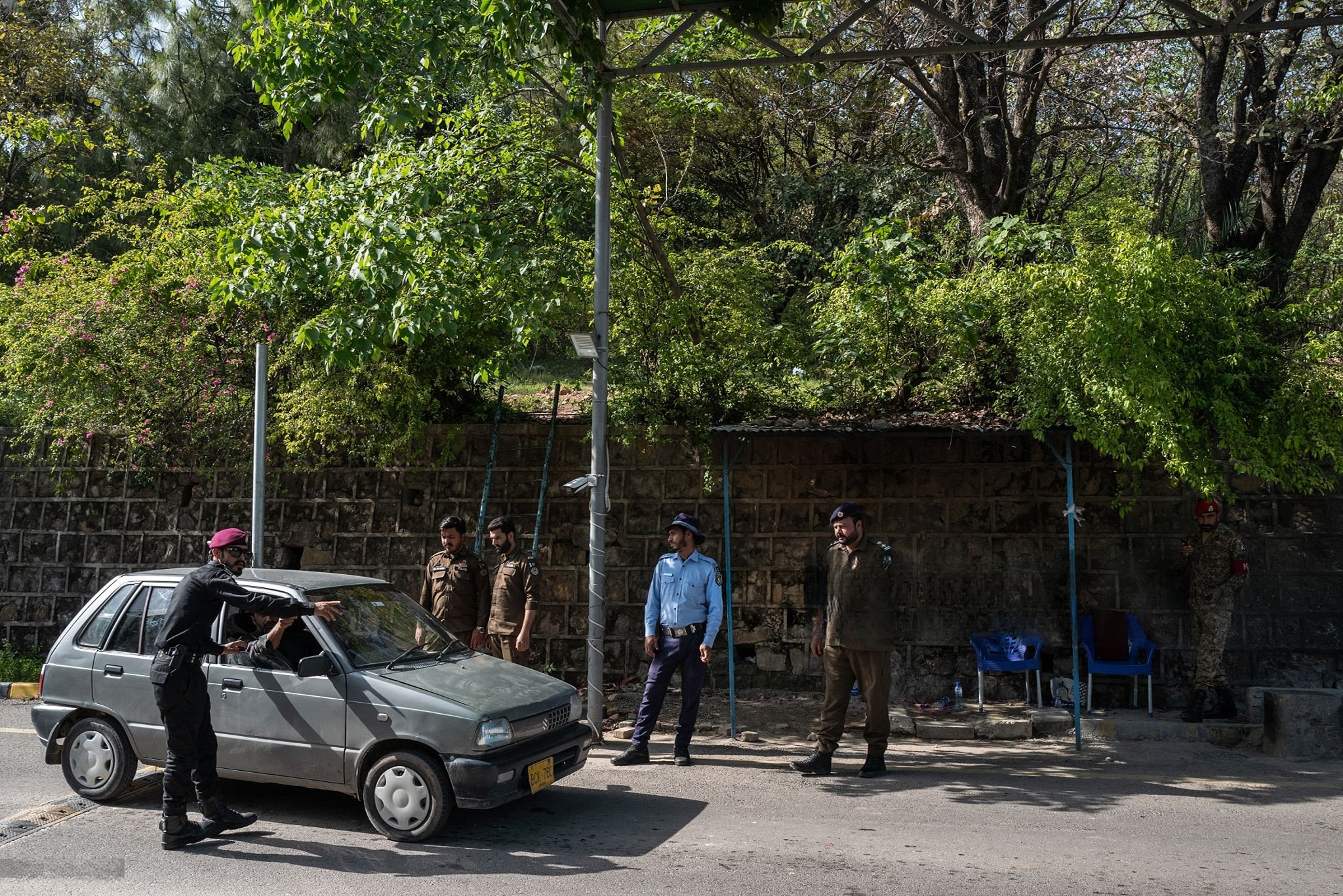
New Tensions Emerge Before US-Iran War Ceasefire Talks in Pakistan
Even as diplomatic channels remain open, the period leading up to ceasefire discussions has been marked by renewed tensions and strategic posturing. Reports indicate that both sides have continued limited military operations, likely aimed at strengthening their bargaining positions before formal negotiations.
These developments highlight a critical reality of modern conflict—diplomacy and military action often proceed simultaneously rather than sequentially. By maintaining pressure on the battlefield, both the US and Iran seek to negotiate from a position of strength, complicating efforts to achieve a stable ceasefire.
Furthermore, disagreements over key issues such as regional influence, proxy groups, and verification mechanisms continue to hinder progress. These unresolved tensions suggest that even if a ceasefire is achieved, it may be temporary rather than transformative.
What Was the US’s Outcome in the Ceasefire?
From a strategic perspective, the United States’ outcome in the ceasefire negotiations can be described as mixed, reflecting both tactical successes and broader strategic limitations. On one hand, the US has managed to prevent further escalation, secure partial reopening of critical maritime routes, and demonstrate its military capabilities. These achievements provide short-term stability and reinforce its role as a key security actor in the region.
On the other hand, the broader objectives of the US—such as significantly curbing Iran’s influence and ensuring long-term regional stability—remain largely unmet. The inability to achieve decisive outcomes highlights the limitations of military power in addressing complex geopolitical challenges.
Additionally, the conflict has exposed vulnerabilities in US strategy, including reliance on traditional alliances and the challenges of operating in an increasingly multipolar world. As a result, while the ceasefire may offer temporary relief, it does not fundamentally alter the strategic landscape.
Which Country Is Identified as the Biggest Loser in the Aftermath of the Ceasefire?
Assessing the biggest loser in such a complex conflict requires a nuanced understanding of both immediate and long-term impacts. While Iran has suffered significant economic and infrastructural damage, and the United States has faced strategic setbacks, many analysts point to European nations as the most adversely affected.
Europe’s heavy dependence on imported energy, combined with its limited strategic autonomy, has left it particularly vulnerable to the economic fallout of the conflict. Rising oil prices, inflationary pressures, and slowed economic growth have compounded existing challenges, making recovery more difficult.
At the same time, Iran’s internal economy has been severely strained, with sanctions and wartime disruptions exacerbating existing weaknesses. This dual impact underscores the reality that in modern conflicts, losses are often distributed across multiple actors rather than concentrated in a single entity.
US-Israel War on Iran: So, Who Won? Losers: US, UK and Europe
A broader evaluation of the conflict reveals a striking absence of clear winners. While military engagements may produce tactical victories, the overall outcome has been characterized by widespread losses and enduring instability.
The United States, despite its military superiority, has struggled to achieve its strategic objectives, while the United Kingdom and Europe have borne significant economic costs. Iran, though resilient, has faced substantial damage to its infrastructure and economy.
This outcome reflects a broader trend in contemporary geopolitics, where conflicts tend to produce complex, multi-dimensional consequences rather than decisive victories. The interconnected nature of the global economy means that disruptions in one region quickly propagate across the world, amplifying their impact.
Russia, China and the US – The Global Winners and Losers of the Iran War
The shifting dynamics of the conflict have created opportunities for other global powers, particularly Russia and China, to expand their influence. Russia has benefited from higher energy prices, which have strengthened its economic position and enhanced its leverage in global markets.
China, meanwhile, has positioned itself as a key diplomatic actor, advocating for stability while securing long-term energy agreements. Its ability to maintain relations with multiple stakeholders has allowed it to navigate the conflict more effectively than many Western nations.
In contrast, the United States faces the challenge of balancing its traditional leadership role with the realities of a changing global order. This redistribution of influence underscores the emergence of a more multipolar world, where power is increasingly diffused rather than concentrated.
Why the Iran Conflict Is Not Just About Geopolitics
At its core, the US-Iran conflict is not merely a geopolitical struggle but a reflection of deeper structural forces shaping the global system. Energy security remains a central concern, as control over oil supply routes continues to influence international relations and economic stability.
The conflict has also highlighted the growing importance of technological warfare, with drones, cyber capabilities, and precision strikes playing a critical role. These developments signal a shift toward more complex and less predictable forms of conflict.
Moreover, the economic dimension of the war—manifested through sanctions, trade disruptions, and financial instability—demonstrates how modern conflicts extend beyond traditional battlefields. In this sense, the US-Iran war serves as a case study in the evolving nature of global power.
America’s Iran War Is Costing It India
One of the most significant geopolitical consequences of the conflict is its impact on US-India relations. While the two countries share strong strategic ties, the war has introduced new complexities that challenge their alignment.
India’s dependence on Middle Eastern energy and its historical ties with Iran necessitate a careful balancing act. At the same time, its partnership with the United States requires cooperation on broader strategic issues. This duality has led India to adopt a pragmatic approach, prioritizing national interests over rigid alliances.
As a result, the conflict has highlighted the limits of traditional alliances and the growing importance of strategic autonomy in international relations.
US-Iran War 2026: RBI Warns of 5 Key Risks to India’s Economy
India’s central bank has identified several key risks arising from the conflict, each of which has significant implications for the country’s economic stability. Rising oil prices are perhaps the most immediate concern, as they directly impact inflation and household expenses.
Supply chain disruptions represent another major challenge, affecting industries that rely on imported raw materials. Currency volatility further complicates the situation, as global uncertainty puts pressure on the Indian Rupee.
Additionally, slower economic growth and financial market instability highlight the broader impact of the conflict on investor confidence and economic activity. Together, these risks underscore the interconnected nature of the global economy.
Global Economic Impact of the War
The global economic consequences of the US-Iran war are both immediate and far-reaching. Rising oil prices have triggered inflationary pressures across economies, increasing the cost of living and straining household budgets.
Trade disruptions have further compounded these challenges, as shipping delays and higher insurance costs affect the movement of goods. Financial markets have also experienced heightened volatility, reflecting investor uncertainty and shifting risk perceptions.
These developments illustrate how regional conflicts can have global repercussions, reinforcing the importance of stability in key economic regions.
Impact on India: A Detailed Analysis
For India, the impact of the conflict is multifaceted, affecting energy security, economic growth, and strategic positioning. The country’s reliance on imported oil makes it particularly vulnerable to price fluctuations, while disruptions in global trade affect key industries.
At the same time, the conflict presents opportunities for India to strengthen its role in global supply chains and enhance its strategic autonomy. By leveraging its position as a major emerging economy, India can navigate the challenges of the conflict while positioning itself for long-term growth.
Future Outlook: What Lies Ahead?
Looking ahead, the trajectory of the US-Iran war will depend on a range of factors, including the success of diplomatic efforts, the stability of ceasefire agreements, and the broader geopolitical environment. While a stable resolution remains possible, the risk of renewed escalation cannot be ignored.
In this context, the ability of global powers to manage tensions and promote cooperation will be critical. The outcome of this conflict will not only shape the future of the Middle East but also influence the broader direction of international relations.
Conclusion
The US-Iran War 2026 is a pivotal moment in global history, reflecting the complexities of modern conflict and the interconnected nature of the global system. Its impact extends far beyond the battlefield, affecting economies, alliances, and the balance of power.
For India, the challenge lies in navigating these complexities while safeguarding its economic and strategic interests. By adopting a balanced and forward-looking approach, India can not only mitigate the risks but also capitalize on emerging opportunities in a rapidly changing world.
The US-Iran War 2026 is a major geopolitical conflict involving military escalation, economic disruption, and global tensions. It is important because it affects oil prices, international trade, and global stability, impacting countries far beyond the Middle East, including India.
The conflict is increasing oil prices, causing inflation, and disrupting supply chains. India, being heavily dependent on oil imports, is facing higher fuel costs, pressure on the rupee, and slower economic growth as highlighted by RBI warnings.
The Strait of Hormuz is a critical global oil route through which a significant portion of the world’s oil supply passes. Any disruption due to the US-Iran war can lead to a global oil crisis and rising fuel prices.
There are no clear winners, but countries like Russia and China may gain strategically. Meanwhile, the US, Europe, and Iran face economic and geopolitical challenges, making this conflict largely a lose-lose situation globally.
If the conflict continues or escalates, it could trigger a wider economic crisis due to rising oil prices, inflation, and disrupted trade. However, ongoing ceasefire talks may help stabilize the situation if successful. 1. What is the US-Iran War 2026 and why is it important?
2. How is the US-Iran war impacting India’s economy?
3. Why is the Strait of Hormuz important in the US-Iran conflict?
4. Who are the winners and losers in the US-Iran War 2026?
5. Will the US-Iran conflict lead to a global economic crisis?








Leave a Reply