
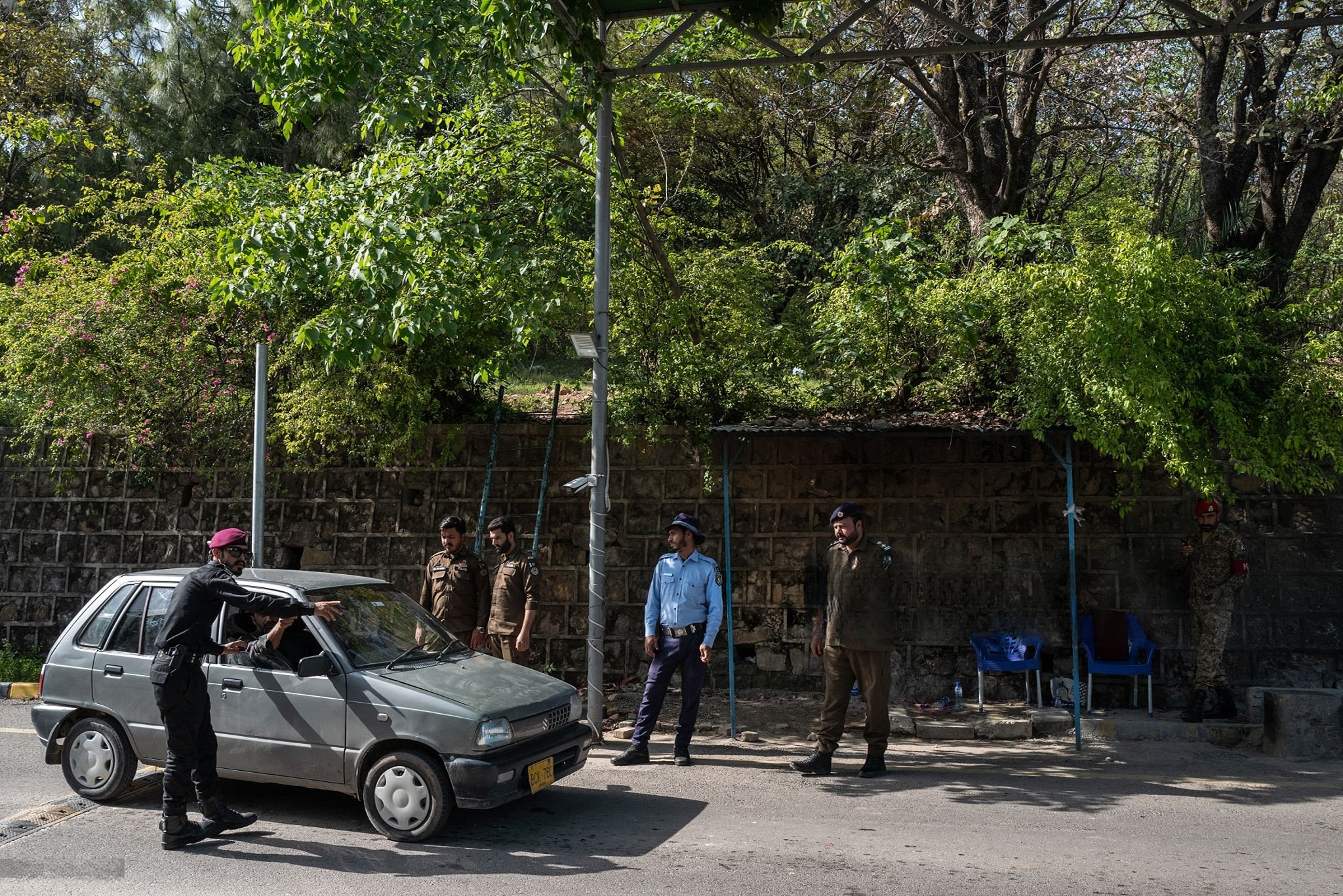
US–Iran Talks in Islamabad Live Updates: Will This End the Middle East War? India Watches Closely
The geopolitical spotlight has shifted dramatically to Islamabad Pakistan, where high-stakes negotiations between the United States and Iran are underway amid escalating conflict across the Middle East.
With tensions involving Israel, regional proxy groups, and global powers intensifying, these talks are being seen as a decisive moment that could either stabilize the region—or push it closer to a wider war.
As the world watches anxiously, the outcome of these negotiations could reshape global energy markets, international diplomacy, and security dynamics for years to come.
📰 Latest Developments & Breaking Headlines: US–Iran Talks in Focus
As negotiations begin in Islamabad, the situation remains fluid and highly volatile. Here are the key developments shaping the crisis:
Historic Talks Begin in Islamabad
Pakistan has emerged as a critical diplomatic venue, hosting what could become a historic round of negotiations between Washington and Tehran.
This marks one of the rare instances where both sides are engaging directly after weeks of military escalation.
War Day 43: Iran Raises Lebanon Condition
On Day 43 of the ongoing conflict, Iran has introduced a critical condition—an end to Israeli military operations in Lebanon—as part of any ceasefire agreement.
This demand directly links the negotiations to the ongoing conflict involving Hezbollah, making the talks significantly more complex.
Trump Pushes for Strait of Hormuz Access
Donald Trump has emphasized the need to ensure uninterrupted access to the Strait of Hormuz, a vital global oil route.
The United States has warned that failure to secure maritime access could result in renewed military action, increasing pressure on Iran during negotiations.
Drone Alerts in Northern Israel
Tensions remain high on the ground, as sirens were reported in northern Israel following the detection of a drone allegedly launched from Lebanon.
This incident underscores the fragile nature of the ceasefire, with the risk of escalation still very real.
World Awaits a Breakthrough
With the Iranian delegation arriving in Pakistan, the world is watching closely to see whether these talks can produce a meaningful ceasefire agreement.
Global powers, energy markets, and international organizations are all closely monitoring the outcome.
Who’s Attending & What’s on the Agenda?
The talks include:
- Senior US diplomats and defense officials
- Iranian political and military representatives
- Pakistani mediators
Core agenda:
- Nuclear program restrictions
- Sanctions relief
- Regional conflict de-escalation
- Maritime security
Five Big Sticking Points
- Iran’s nuclear program
- US economic sanctions
- Proxy conflicts (Hezbollah and others)
- Strait of Hormuz security
- Israel’s military operations
Background: From Shadow Conflict to Open Crisis 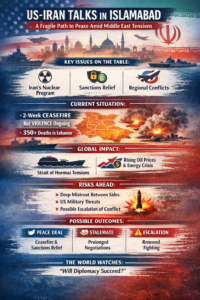
The current crisis stems from decades of hostility between the United States and Iran. Disputes over Iran’s nuclear ambitions, combined with economic sanctions and regional rivalries, have created a persistent state of tension.
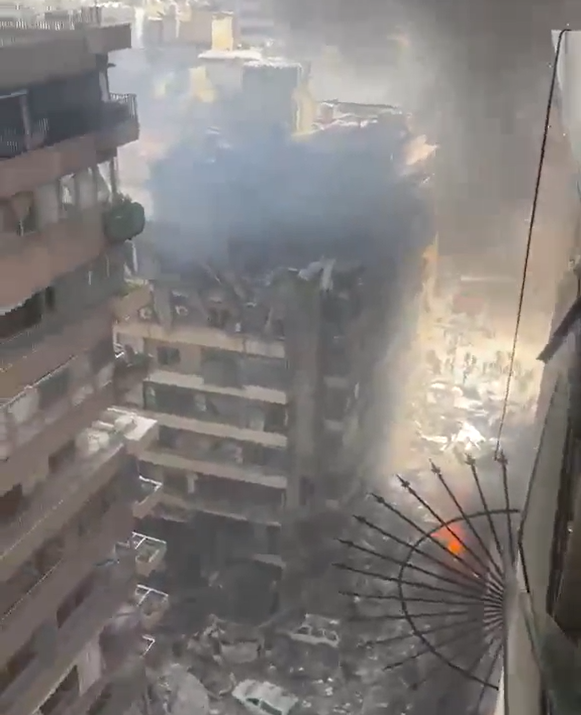
The situation escalated sharply after intensified Israeli operations in Lebanon targeting Hezbollah. Retaliatory strikes followed, drawing Iran closer to direct confrontation and prompting the United States to increase its military presence in the region.
Naval deployments near the Strait of Hormuz further raised the stakes, given its role as a critical global oil transit route.
Why Islamabad? Pakistan’s Strategic Diplomatic Moment
The choice of Islamabad is not accidental. Pakistan has positioned itself as a neutral diplomatic bridge, capable of engaging both Western and regional actors.
Hosting these talks elevates Pakistan’s global standing and reflects a broader shift where emerging powers play a greater role in conflict resolution.
For Pakistan, this is also an opportunity to:
- Strengthen international credibility
- Enhance diplomatic influence
- Position itself as a regional stabilizer
Core Issues at the Negotiation Table
1. Iran’s Nuclear Program
At the center lies Iran’s nuclear program, with the United States pushing for stricter limits on uranium enrichment and enhanced international inspections.
nuclear deal, non-proliferation, IAEA oversight
2. Economic Sanctions and Financial Pressure
Iran seeks relief from US sanctions that have severely impacted its economy, including restrictions on oil exports and financial systems.
sanctions relief, economic crisis, global trade restrictions
3. Regional Proxy Conflicts
US concerns over Iran’s support for groups like Hezbollah continue to complicate negotiations.
proxy warfare, regional militias, asymmetric conflict
4. Strait of Hormuz and Energy Security
Ensuring safe passage through the Strait of Hormuz remains a top priority, given its importance to global oil supply.
energy security, oil supply disruption, maritime routes
Israel’s Role: The Invisible Negotiator
Although not directly part of the talks, Israel plays a crucial role. Its ongoing military operations and security concerns heavily influence US policy decisions.
Any agreement will need to address Israel’s strategic interests, especially regarding Hezbollah’s capabilities.
Fragile Ceasefire: Peace on the Edge
A temporary ceasefire has created a narrow window for diplomacy. However, ongoing skirmishes and incidents—such as drone alerts—highlight how quickly the situation could escalate.
This is not a formal ceasefire but a tense pause, vulnerable to collapse at any moment.
Global Impact: Why This Crisis Matters Worldwide
Energy Markets
Any disruption in the Strait of Hormuz could trigger a spike in global oil prices, affecting economies worldwide.
International Security
A breakdown in talks could lead to direct confrontation between major powers, potentially expanding the conflict.
Economic Stability
Global trade routes, inflation, and investor confidence are all at risk if tensions escalate.
🇮🇳 India’s Strategic Angle: Why This Matters for New Delhi
For India, the stakes are particularly high.
1. Energy Security
India imports a significant portion of its oil, much of which passes through the Strait of Hormuz. Any disruption could:
- Increase fuel prices
- Widen trade deficits
- Impact economic growth
2. Indian Diaspora in the Middle East
Millions of Indians live and work across the Middle East. Escalation could pose risks to:
- Safety of Indian nationals
- Remittances
- Evacuation logistics
3. Strategic Balance
India maintains relations with both the US and Iran. This situation requires careful diplomatic balancing to protect its interests without taking sides.
4. Trade and Connectivity Projects
Projects like Chabahar Port (Iran) are vital for India’s connectivity to Central Asia. Prolonged conflict could disrupt these plans.
Challenges to a Breakthrough
Despite the urgency, several obstacles remain:
- Deep mistrust between the US and Iran
- Conflicting regional interests
- Pressure from allies like Israel
- Domestic political constraints
These factors make a comprehensive agreement difficult in the short term.
Possible Scenarios: What Happens Next?
1. Diplomatic Breakthrough
A limited agreement involving ceasefire terms and partial sanctions relief.
2. Prolonged Negotiations
Talks continue without resolution, maintaining a fragile balance.
3. Escalation into Wider Conflict
Failure could lead to renewed military action, potentially drawing in multiple countries.
Conclusion: A Defining Moment for Global Order
The US–Iran talks in Islamabad represent a critical moment in modern geopolitics. With multiple crises converging—military tensions, energy insecurity, and global rivalries—the stakes are extraordinarily high.
Diplomacy offers a path forward, but the challenges are immense. Whether these talks lead to peace or further conflict will shape the future of the Middle East and the broader international system.
For countries like India, the outcome will not just be a distant geopolitical event—it will have direct economic, strategic, and security consequences.
As the world watches, one question remains:
Will diplomacy succeed, or is this just the calm before a larger storm?







Leave a Reply